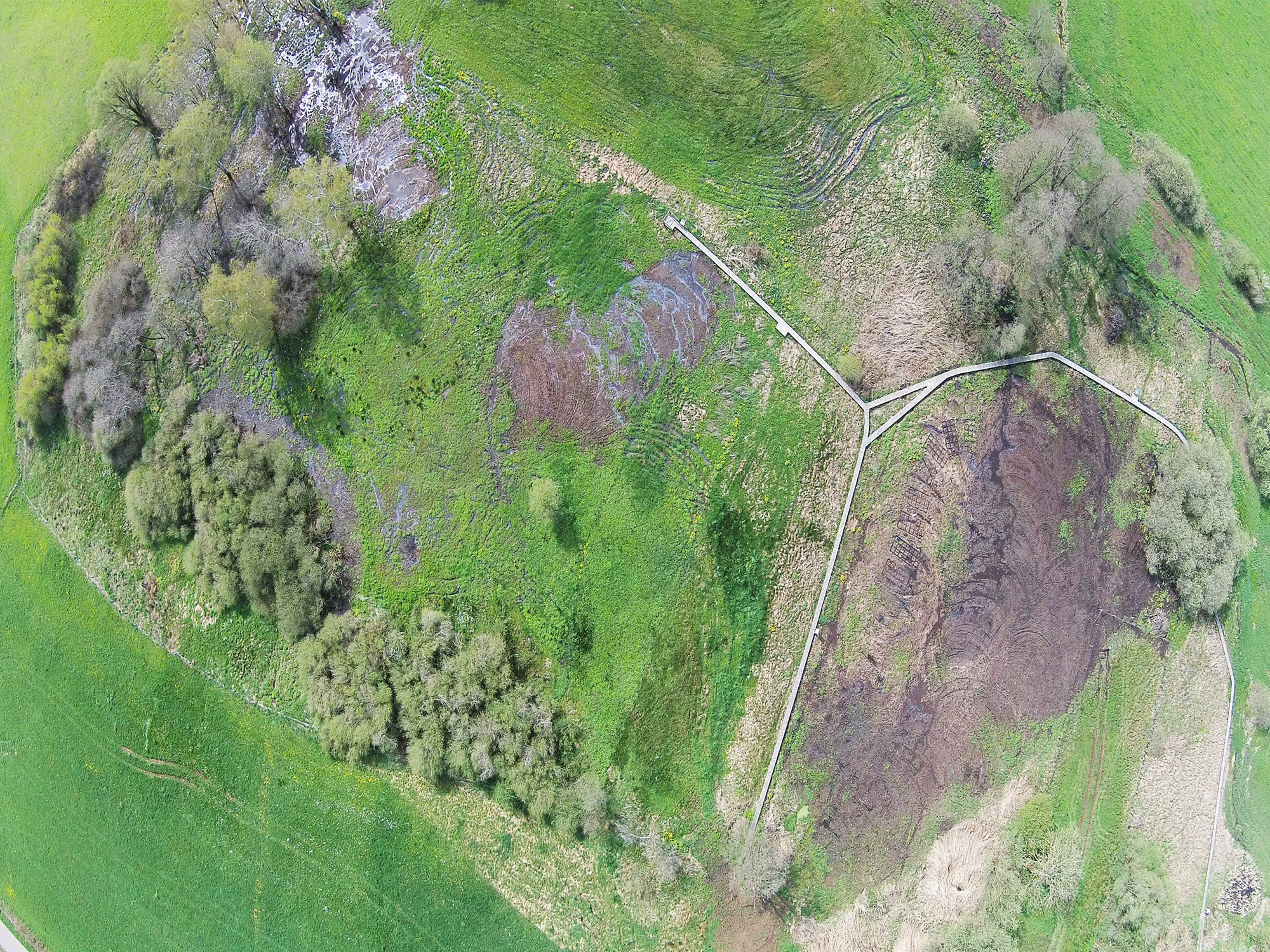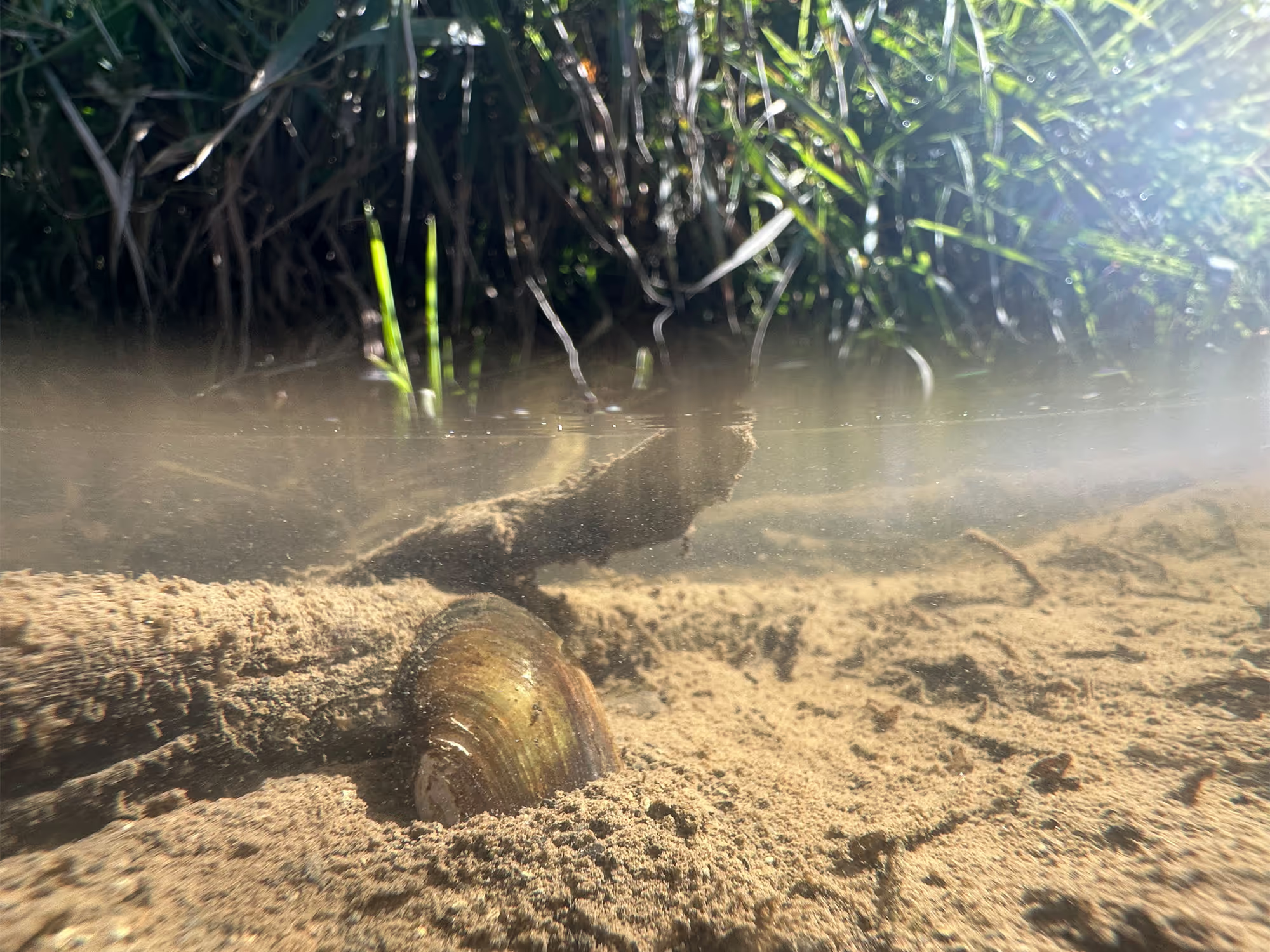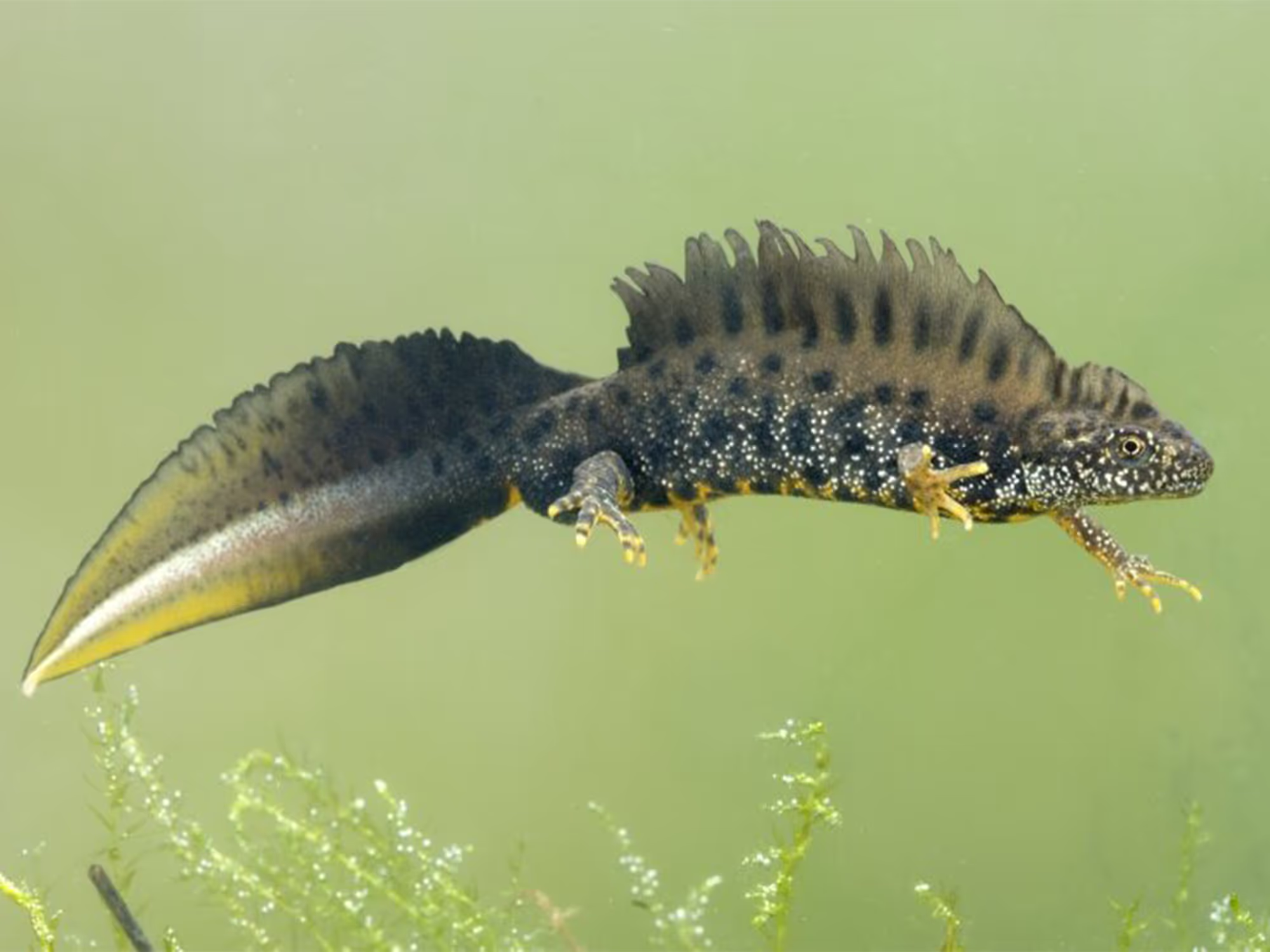

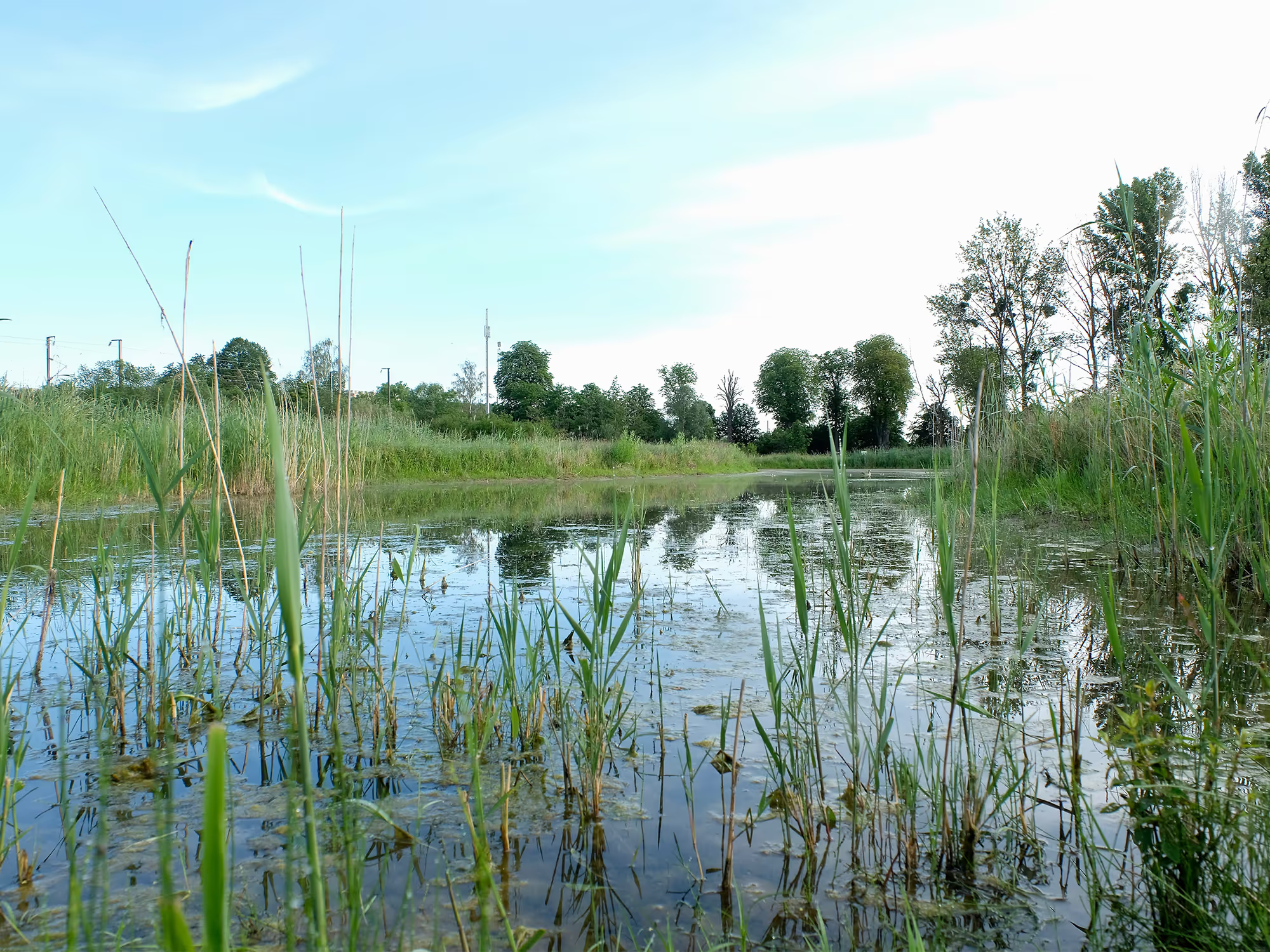
Ponds are standing water bodies with a relatively small surface area of less than 10 ares and a depth generally not exceeding 1 meter. Considering their small water volume, they are often extremely species-rich. Because they frequently dry up in summer, fish are absent, and it is the lack of these predators that allows many specialized aquatic animals—such as amphibians, dragonflies, mollusks, and others—to thrive.
Until the early twentieth century, standing water bodies were very common in agricultural landscapes, where they served, for example, as watering holes for livestock or water reservoirs in case of fire. With the installation of water distribution networks, pond water was no longer used, and due to a lack of maintenance, they gradually disappeared either through natural succession or by being filled in.
Surveys have shown that the total surface area of ponds in Luxembourg has decreased by more than 80%. Since then, there has been an urgent need to reverse this trend, as this loss of habitat has led to the realization that many species dependent on these water bodies are also at risk of disappearing. To address this urgency, several initiatives have already been launched in the past.
Currently, natur&ëmwelt Fondation Hëllef fir d’Natur manages more than 250 water bodies out of a total of 2,500 recorded in the Grand Duchy of Luxembourg. To further densify the network of ponds and lakes and to help improve the conservation status of many threatened species, the Foundation set out to create 50 new water bodies starting in 2018. The project is funded by the "Environmental Protection Fund". The strategy for creating these habitats is based on the one proposed in 2013 by the habitat action plan "Open Habitat Ponds" from the Ministry of Sustainable Development and Infrastructure, Department of the Environment.